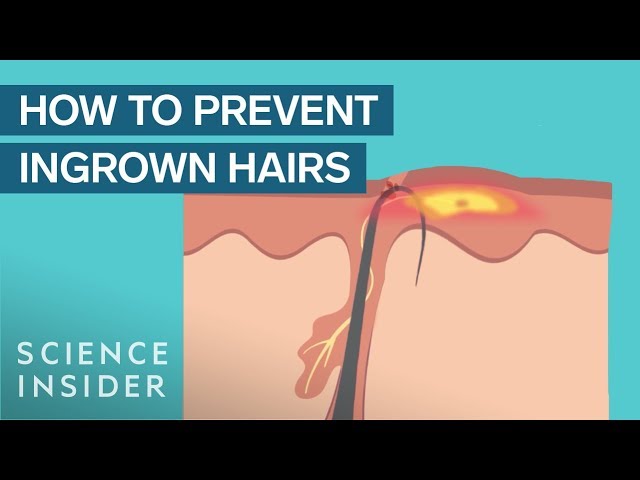
Ingrown hairs, a common skin condition, occur when the tip of a hair curls back and grows into the skin. This happens most often in areas where hair is shaved, waxed, or tweezed, creating a sharp edge that can easily penetrate the skin.
Ingrown hairs are a nuisance that can lead to irritation, inflammation, and even infection. They are a common problem that affects both men and women, particularly those with coarse or curly hair. Historically, ingrown hairs have been treated with a variety of methods, from topical creams to surgical removal.
This article will explore the causes, symptoms, and treatment options for ingrown hairs, providing valuable information for those seeking to prevent and manage this common skin condition.
What is Ingrown Hair
Ingrown hairs, a prevalent skin condition, arise when the tip of a hair curls inward and penetrates the skin. Understanding its key aspects is crucial for effective prevention and treatment.
- Definition: Hair growth directed into the skin.
- Causes: Shaving, waxing, or tweezing, creating sharp hair edges.
- Symptoms: Irritation, inflammation, and potential infection.
- Treatment: Topical creams, antibiotics, or surgical removal.
- Prevention: Exfoliation, shaving with the grain, and using sharp razors.
- Complications: Scarring, hyperpigmentation, and keloid formation.
These aspects provide a comprehensive understanding of ingrown hairs, encompassing their causes, manifestations, management, and potential complications. By delving into these aspects, individuals can effectively address this common skin condition and maintain healthy, hair-free skin.
Definition
Understanding the definition of ingrown hair as hair growth directed into the skin is essential for effective prevention and treatment. Ingrown hairs occur when the tip of a hair curls inward and penetrates the skin, leading to irritation, inflammation, and potential infection. This definition encompasses several key facets:
- Direction of growth: Ingrown hairs grow in an abnormal direction, turning inward instead of outward.
- Skin penetration: The inward growth of the hair leads to its penetration into the skin, causing irritation and inflammation.
- Common areas: Ingrown hairs are most common in areas where hair is shaved, waxed, or tweezed, such as the face, legs, and bikini line.
- Skin type: Individuals with coarse or curly hair are more prone to ingrown hairs due to the increased likelihood of the hair shaft curling inward.
These facets collectively define ingrown hair as a condition characterized by abnormal hair growth direction, skin penetration, and specific risk factors. Understanding these aspects provides a solid foundation for exploring the causes, symptoms, treatment options, and preventive measures associated with ingrown hairs.
Causes
Shaving, waxing, or tweezing are common hair removal methods that can lead to ingrown hairs. These methods remove hair at the skin's surface, leaving behind a sharp, blunt edge. As the hair grows back, it may curl inward and penetrate the skin, resulting in an ingrown hair. This is because the sharp edge of the hair shaft can easily pierce the skin, especially if the hair is thick or curly.
Ingrown hairs are a common problem for both men and women, particularly those with coarse or curly hair. They can occur anywhere on the body where hair is removed, but they are most common in areas where the hair is shaved or waxed regularly, such as the face, legs, and bikini line. Ingrown hairs can be unsightly and uncomfortable, and they can sometimes lead to infection.
Understanding the connection between shaving, waxing, or tweezing and ingrown hairs is important for preventing and treating this common skin condition. By using proper hair removal techniques and taking steps to prevent ingrown hairs, individuals can maintain healthy, hair-free skin.
Symptoms
Ingrown hairs can cause a range of symptoms, from mild irritation to severe inflammation and infection. Understanding these symptoms is crucial for effective management and prevention.
- Irritation: Ingrown hairs can cause itching, redness, and discomfort. The affected area may be sensitive to touch and may have a burning sensation.
- Inflammation: Ingrown hairs can trigger inflammation, leading to swelling, pain, and warmth in the affected area. In severe cases, the inflammation may spread to surrounding tissues.
- Infection: Ingrown hairs can become infected, especially if they are scratched or irritated. Symptoms of infection include, crusting, and increased pain and swelling.
- Scarring: In some cases, ingrown hairs can lead to scarring. This is more likely to occur if the ingrown hair becomes infected or if it is repeatedly irritated.
These symptoms highlight the potential discomfort and health risks associated with ingrown hairs. By recognizing and addressing these symptoms promptly, individuals can minimize their impact and prevent complications.
Treatment
Ingrown hairs, a common skin condition, often require treatment to alleviate discomfort and prevent complications. Treatment options for ingrown hairs include the use of topical creams, antibiotics, or surgical removal, each addressing the underlying causes and symptoms of the condition.
Topical creams, such as those containing salicylic acid or benzoyl peroxide, help exfoliate the skin, reducing inflammation and allowing the ingrown hair to emerge. Antibiotics are used in cases where the ingrown hair has become infected, preventing the spread of bacteria and promoting healing. Surgical removal, while less common, may be necessary for deeply embedded or persistent ingrown hairs that do not respond to topical treatments.
Understanding the connection between treatment and ingrown hairs is crucial for effective management. Prompt treatment can prevent complications such as infection, scarring, and hyperpigmentation. By choosing the appropriate treatment method based on the severity and specific characteristics of the ingrown hair, individuals can achieve optimal results and minimize the impact on their skin's health.
Prevention
Preventing ingrown hairs is crucial for maintaining healthy skin and avoiding discomfort. Several preventive measures can be implemented to minimize the risk of ingrown hair formation, including exfoliation, shaving with the grain, and using sharp razors.
- Exfoliation: Regular exfoliation helps remove dead skin cells, preventing them from clogging hair follicles and promoting hair growth in the correct direction.
- Shaving with the grain: Shaving in the direction of hair growth reduces the likelihood of the hair being cut off at a sharp angle, which can cause it to curl back into the skin.
- Using sharp razors: Dull razors can tug and pull at hair, increasing the risk of breakage and ingrown hairs. Using sharp razors ensures a clean cut, minimizing the chances of hair becoming trapped under the skin.
Incorporating these preventive measures into a regular grooming routine can significantly reduce the incidence of ingrown hairs, promoting healthy skin and a comfortable shaving experience.
Complications
Ingrown hairs, a common skin condition, can lead to a range of complications, including scarring, hyperpigmentation, and keloid formation. These complications can affect the appearance of the skin and may cause discomfort or pain.
- Scarring: Ingrown hairs can cause scarring if they become infected or inflamed. Scars are areas of discolored, thickened skin that can be permanent.
- Hyperpigmentation: Ingrown hairs can also lead to hyperpigmentation, which is the darkening of the skin. This can occur due to inflammation or scarring.
- Keloid formation: In some cases, ingrown hairs can trigger the formation of keloids. Keloids are raised,that can be itchy and painful.
These complications highlight the importance of preventing and treating ingrown hairs promptly. By understanding the potential complications, individuals can take steps to minimize their risk and maintain healthy skin.
Frequently Asked Questions about Ingrown Hairs
This FAQ section addresses common questions and concerns related to ingrown hairs, providing concise and informative answers.
Question 1: What causes ingrown hairs?
Ingrown hairs occur when the tip of a hair curls back into the skin, often resulting from shaving, waxing, or tweezing.
Question 2: What are the symptoms of ingrown hairs?
Ingrown hairs can cause irritation, inflammation, and discomfort. They may appear as small, red bumps or pustules.
Question 3: How can I prevent ingrown hairs?
Exfoliation, shaving with the grain, and using sharp razors can help prevent ingrown hairs by promoting proper hair growth and reducing the risk of hair becoming trapped under the skin.
Question 4: How should I treat ingrown hairs?
Most ingrown hairs can be managed with topical treatments such as salicylic acid or benzoyl peroxide. In severe cases, antibiotics or surgical removal may be necessary.
Question 5: Can ingrown hairs lead to complications?
If left untreated, ingrown hairs can lead to scarring, hyperpigmentation, or keloid formation.
Question 6: Are ingrown hairs common?
Ingrown hairs are a very common skin condition, affecting both men and women, particularly those with coarse or curly hair.
These FAQs provide essential information about ingrown hairs, their causes, symptoms, prevention, and treatment options. Understanding these aspects can help individuals effectively manage and prevent this common skin condition.
In the next section, we will delve deeper into the underlying mechanisms of ingrown hair formation and explore advanced treatment strategies.
Tips to Prevent and Treat Ingrown Hairs
Understanding how to prevent and treat ingrown hairs is crucial for maintaining healthy skin. Here are some effective tips to minimize the risk of ingrown hair formation and alleviate discomfort:
Tip 1: Exfoliate Regularly: Exfoliating the skin removes dead skin cells that can clog hair follicles. Use a gentle scrub 2-3 times a week to prevent ingrown hairs.
Tip 2: Shave with the Grain: Shaving in the direction of hair growth helps prevent the hair from being cut at a sharp angle, reducing the likelihood of ingrown hairs.
Tip 3: Use Sharp Razors: Dull razors can tug and pull at hair, increasing the risk of breakage and ingrown hairs. Replace your razor blade frequently.
Tip 4: Avoid Tight Clothing: Tight clothing can rub against the skin and irritate ingrown hairs. Choose loose-fitting, breathable fabrics.
Tip 5: Apply Warm Compresses: Warm compresses can help soften the skin and reduce inflammation around ingrown hairs.
Tip 6: Use Salicylic Acid: Topical products containing salicylic acid help exfoliate the skin and reduce inflammation, promoting ingrown hair release.
Tip 7: Seek Professional Help: If home treatments do not resolve ingrown hairs, consult a dermatologist for professional extraction or other advanced treatment options.
Following these tips can help prevent and manage ingrown hairs, promoting healthy and comfortable skin. By incorporating these practices into your skincare routine, you can minimize the risk of ingrown hair formation and enjoy smoother, healthier skin.
In the next section, we will explore the scientific mechanisms underlying ingrown hair formation, providing a deeper understanding of this common skin condition.
Conclusion
This article has explored the multifaceted nature of ingrown hairs, examining their causes, symptoms, and treatment options. Key insights include the role of improper hair removal techniques, such as shaving against the grain, in the formation of ingrown hairs.
Understanding the interconnectedness of these factors is crucial for effective prevention and management. Exfoliation, proper shaving practices, and timely treatment can minimize the risk of ingrown hair formation and alleviate associated discomfort.




No comments:
Post a Comment